
The Goodwill School

A lesson in the Goodwill school.

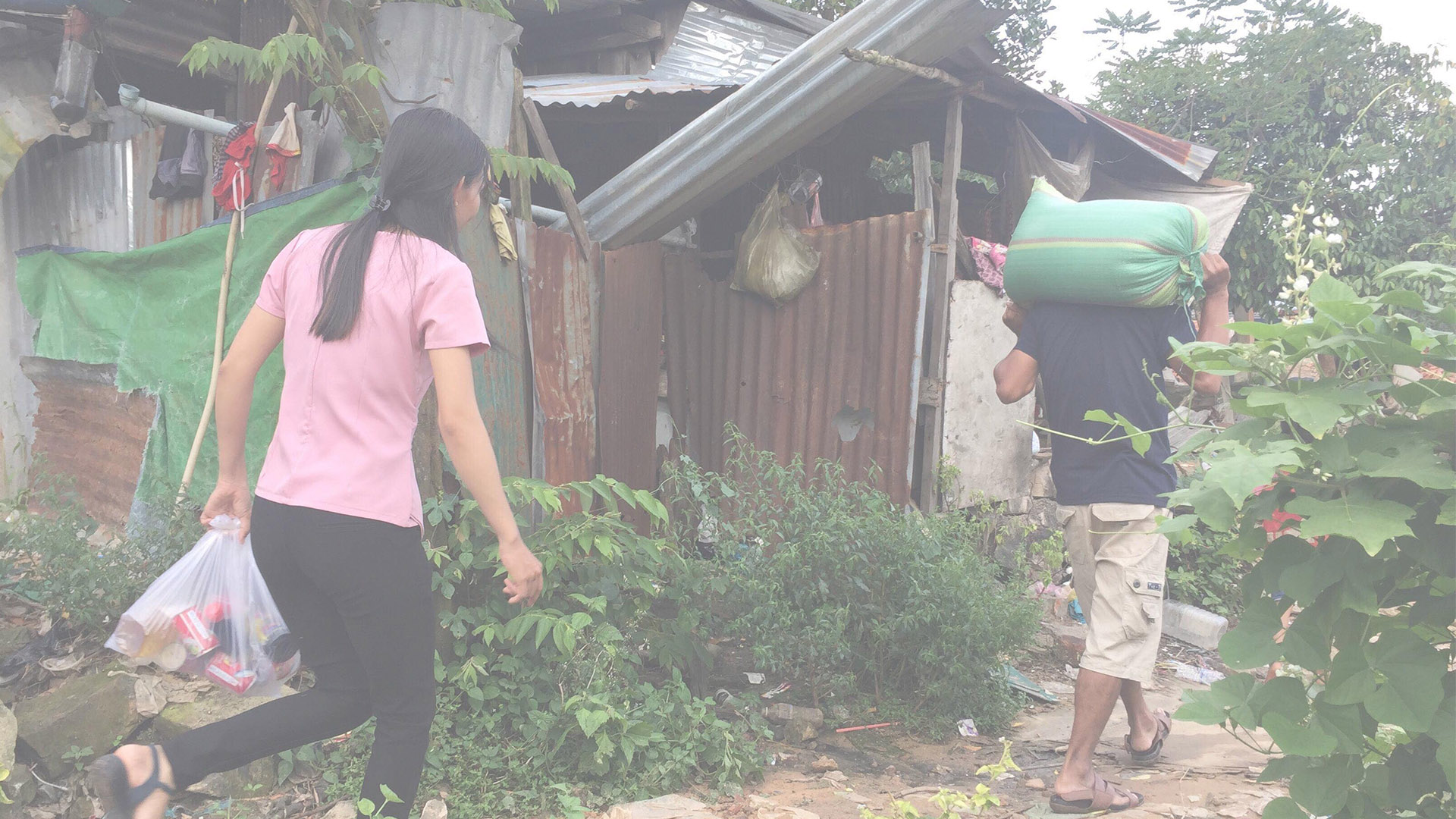
Where there is little hope, something very small can make a big difference.

And like all big differences they are made by a few determined people. In 1999 a young Cambodian mechanic and taxi driver, decided to make a difference and what he did was extraordinary.

Under his father in law’s wooden house, he started to teach what little English he knew to all the children who wanted to learn.

Eager to make a difference to their families’ desperate situation, they came in great numbers. As many of the children worked all day, they where taught under the cover of darkness, sitting on the bare ground.

Building a school

Help the Cambodian Children’s Operations Manager heard about the school and made a visit. What he found was shocking: one man, 60 children and very little else.

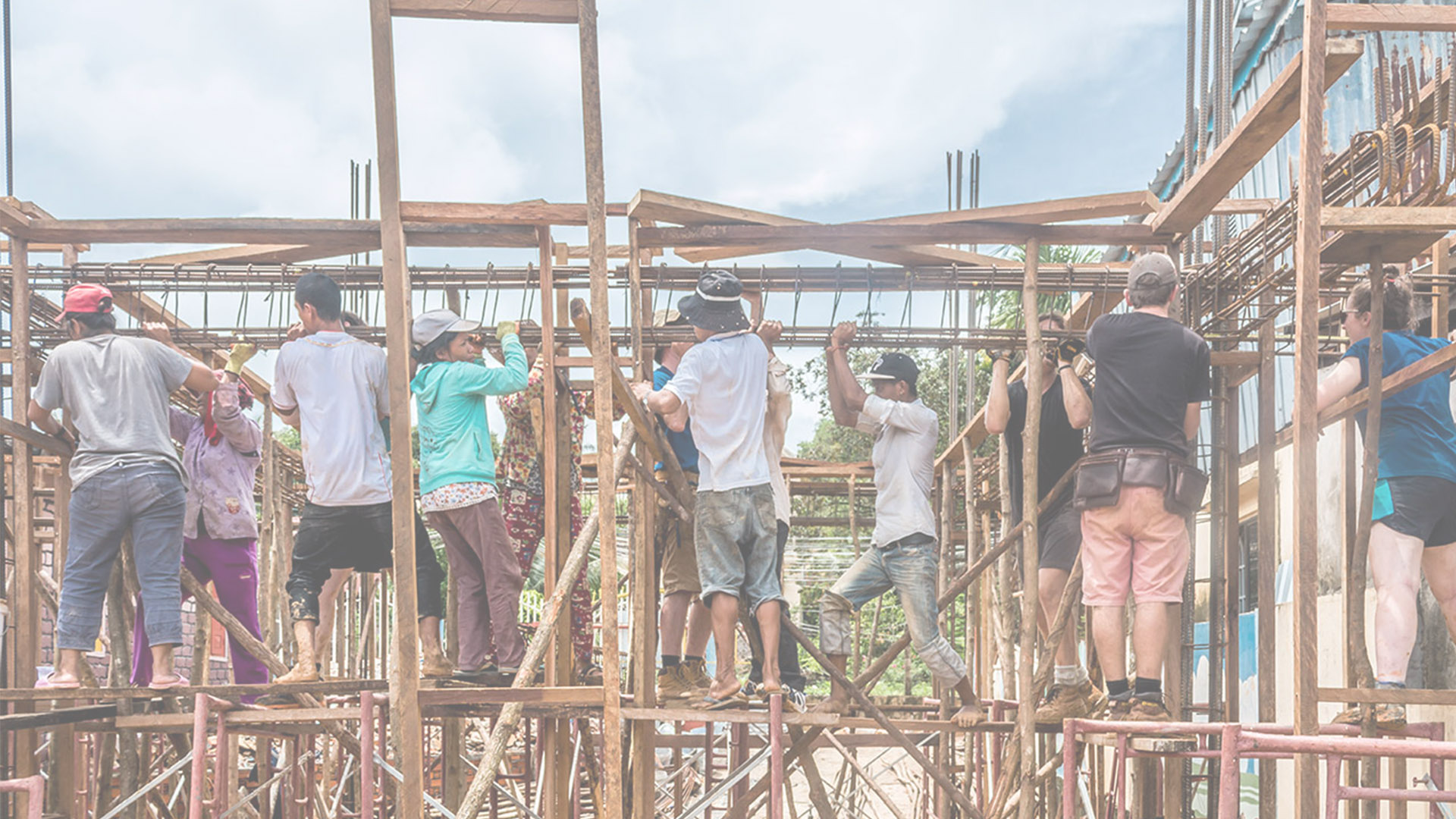
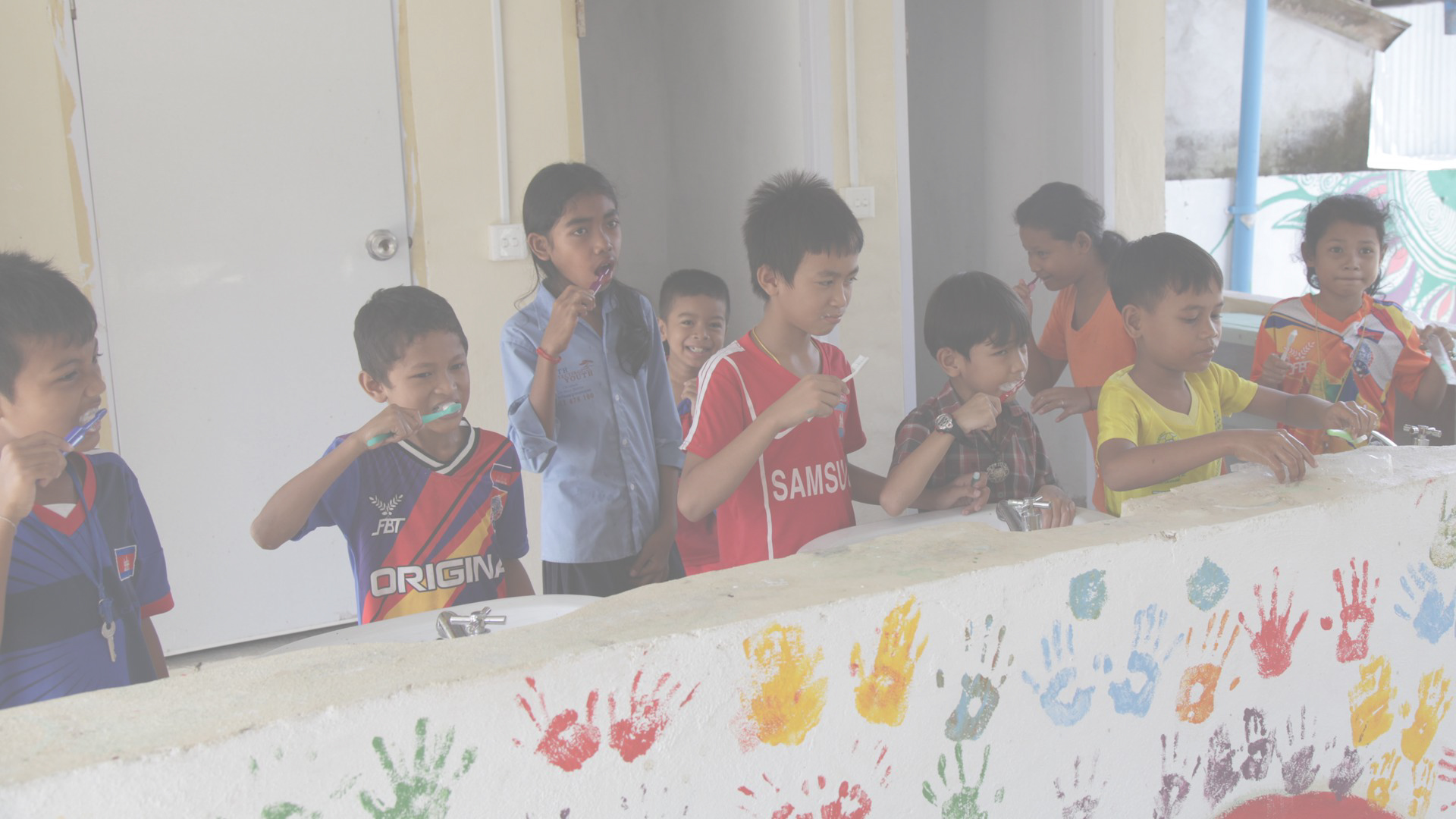
Our organisation decided to help by raising funds to construct a proper school building and set up a full support programme. Today, the Goodwill School not only provides an education to some of the children from the poorest families in Sihanoukville, it also acts as a Drop-In Centre. By opening the centre, it has enabled us to provide recreational activities, such as art and craft classes, needlework, games, etc. as well as basic Khmer language lessons. Our aim is to encourage the children that would otherwise roam the streets, to take part and have the opportunity to develop other worthwhile skills. The centre also acts as a medical help line, where children who are sick or injured are referred for medical treatment, which is funded by HtCC.

Building a future

The skills our students acquire in English and Khmer will enable them to find jobs that offer a better future and safer working environment. Already some of our first students are working as taxi drivers, hotel staff, translators and tour guides.

What do we do with your donations?

With the donations received, we have been able to;

  • Provide teacher training for our local staff.
  • Build a safe school building with a good learning environment.
  • Give our students books and teaching materials.
  • Provide a health checks for conditions like malnutrition and disease and provide medical care for the poor children.
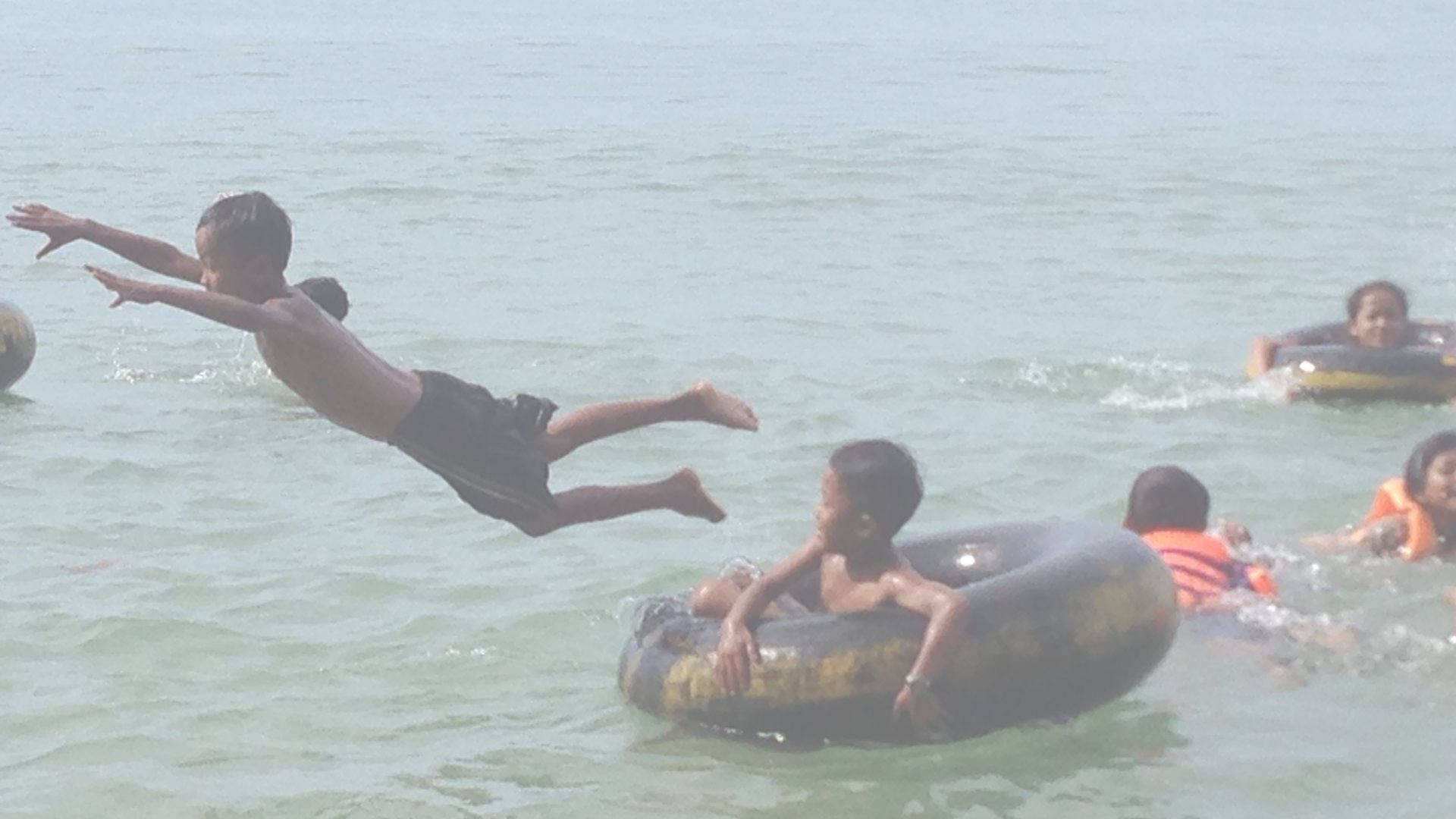
  • Build a small playground and provide recreational facilities.
  • Provide the local teachers with a salary so they can focus on teaching our students.
  • Issue mosquito nets and sleeping mats to prevent malaria and ceramic water purifiers to provide clean drinking water.